What Makes a Pizza Restaurant Stand Out Online

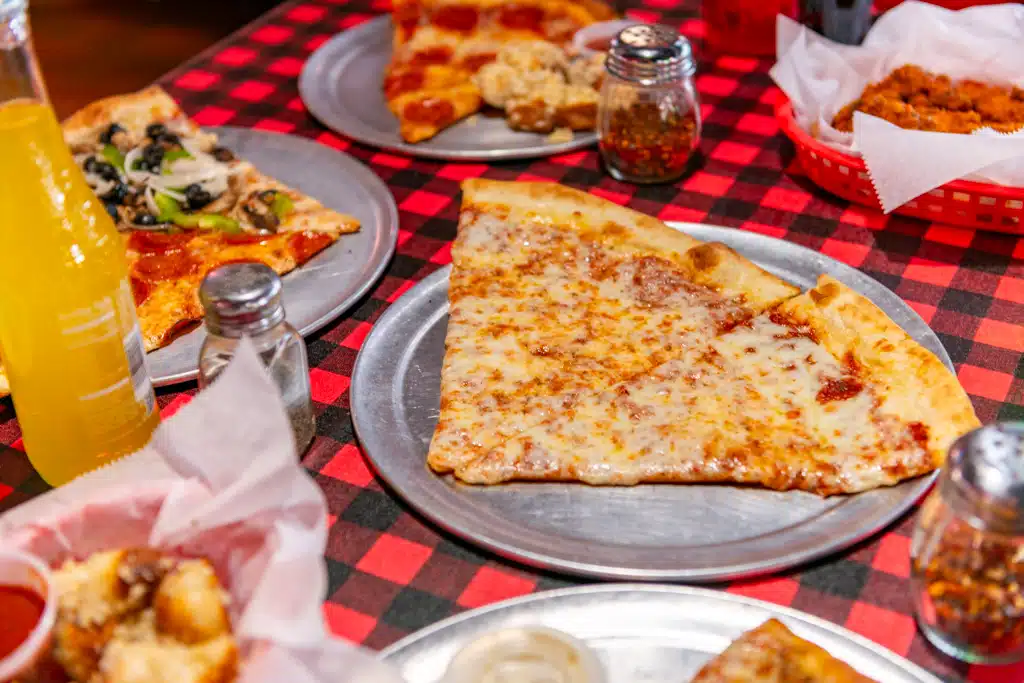
A great pizza restaurant can still lose attention online if the basics are weak. That sounds harsh, but it is visible every day in local search results. One shop has a sharp profile, clear photos, a menu that loads quickly, and dozens of recent reviews that mention specific dishes. Another has a grainy logo, an outdated phone number, and a website that hides its ordering button behind three clicks. The food in the second place might be better, but online, the first place looks more trustworthy.
That gap matters because digital first impressions happen fast. Most people deciding where to order dinner are not conducting deep research. They are hungry, comparing a handful of options, and making a judgment in seconds. If a pizza restaurant wants to stand out online, it needs more than a good pie. It needs a digital presence that feels as competent, inviting, and consistent as the dining room on a busy Friday night.
The restaurants that win attention online usually do a few things exceptionally well. They make it easy to understand what kind of place they are, they remove friction from the buying decision, and they create proof that real customers keep coming back. None of that requires gimmicks. It requires clarity, discipline, and a better understanding of how people actually choose where to eat.
The first impression is rarely your website
Owners often assume their website is the front door online. In practice, it usually is not. For many customers, the first encounter happens on Google Search, Google Maps, Instagram, TikTok, Yelp, Apple Maps, or a delivery app. That means a pizza restaurant is being judged in fragments before anyone reaches the home page.
Think about the typical path. Someone searches “best pizza near me” or “late night pizza.” They see a map pack, a star rating, a few photos, open hours, maybe a popular-times graph, and snippets from reviews. If those signals are strong, they tap through. If they are messy or incomplete, they move on. The decision is often made before the website gets a chance to help.
That is why strong local visibility starts with consistency. Name, address, phone number, hours, menu links, and service options should match everywhere. It sounds simple, yet many restaurants let these details drift over time. A holiday-hours change never gets corrected. A second phone number appears on one listing but not another. A menu PDF from two years ago still circulates on a directory page. Every mismatch creates hesitation, and hesitation loses orders.
There is also a practical point here. Pizza is frequently an impulse purchase. People are comparing speed, convenience, and confidence just as much as flavor. If your online presence creates uncertainty, someone else gets the sale.
Clear positioning beats trying to please everyone
Many pizza places describe themselves in generic terms: fresh ingredients, family owned, great service, authentic taste. None of those claims are bad, but almost every competitor says the same thing. Standing out online starts with sharper positioning.
A pizza restaurant should answer a few unspoken customer questions immediately. Are you known for New York slices, wood-fired Neapolitan pies, Detroit-style squares, tavern-cut thin crust, or oversized delivery pizzas for groups? Are you a quick lunch spot, a date-night neighborhood place, a sports-night takeout favorite, or a premium artisan kitchen? Do you specialize in speed, craft, value, or experience?
The strongest brands make this obvious without forcing people to read a long story. You can usually tell within moments what the place does best. The photography supports it. The menu supports it. The reviews repeat it. Even the tone of the captions and signage supports it.
I have seen small independent operators sharpen results simply by clarifying who they are. One shop that had been marketing itself broadly as “Italian cuisine and pizza” shifted its messaging toward “48-hour fermented sourdough pizza and natural wine.” That narrower identity did not reduce interest. It increased it. The right audience understood the offer faster, and the business looked more distinct in a crowded market.
A pizza restaurant does not need to be upscale to do this well. A value-driven takeout place can stand out just as clearly by owning what customers already love about it. If the appeal is giant slices, fast turnaround, and late hours, say so plainly. If the draw is a family combo that feeds five people for a fair price, make that central. Positioning works when it helps people recognize, quickly, whether your restaurant is right for tonight.
Photos do more work than most copy
Food is one of the most visual categories in local marketing, and pizza might be the clearest example of all. People want to see texture, crust, color, portion size, and freshness. They want to imagine the first bite. A pizza restaurant with average photography can appear mediocre even when the food is excellent.
What works online is not just polished photography. It is useful photography. Customers want to know what the pizza actually looks like when ordered. They want to see whole pies, slices, close-ups of crust, shots of toppings, the interior space, the counter, the oven, and the packaging if delivery is a core business. If you have outdoor seating, show it. If your dining room gets lively at night, show that too.
Professional photos help, especially for hero images on the website and business profiles. But overly styled food photography can backfire if the in-person product feels different. Some of the best-performing restaurant photos are simply well-lit, honest, and current. A crisp phone image taken at the right angle can outperform an expensive staged shot from three years ago.
The important thing is recency and relevance. Seasonal specials should appear when they are actually available. If you renovated the space, update the interior gallery. If your bestselling pizza changed in presentation, replace the old image. Stale visuals quietly signal a stale operation.
There is also a trust factor that owners sometimes overlook. Customers studying photos are looking for social proof. They notice whether people seem to enjoy the space, whether the portions feel generous, and whether the restaurant appears busy in a good way. Empty room shots and isolated product images are useful, but they should be balanced with signs of real life.
Menus should answer questions, not create them
A surprising number of restaurant menus are hard to use online. Tiny PDF files, inconsistent pricing, vague topping descriptions, and missing allergy notes all add friction. When people are deciding where to order from, friction sends them elsewhere.
A strong online menu is readable on a phone, current, and structured around real buying behavior. That means categories people can scan quickly, clear sizes, clear add-on prices, and enough description to make unfamiliar items understandable. If there are house specialties, they should not be buried halfway down a long page.
This matters even more for pizza because ordering often involves customization. Customers need to know how sizes compare, what toppings are available, whether halves are allowed, how substitutions work, and how specialty pies differ from build-your-own options. If those details are not clear, people hesitate. In a dining room, they can ask a server. Online, they often just abandon the process.
There is also a subtle sales opportunity in good menu structure. Restaurants that present their most appealing, signature, or profitable items clearly tend to guide decisions better. That does not mean manipulating people. It means understanding that menus are selling tools. If your vodka pie, burrata margherita, or hot honey pepperoni is a standout, give it the attention it deserves.
One practical test works well: ask someone outside the business to place a pretend order on their phone. Watch where they pause. If they ask basic questions about size, toppings, pricing, or availability, the menu needs work.
Reviews matter most when they sound specific
Everyone knows reviews matter. What many restaurants miss is why some review profiles convert better than others. It is not only the star rating. It is the texture of the feedback.
A pizza restaurant stands out online when reviews tell a believable story. “Great food” helps a little. “The sesame crust had real crunch, the vodka sauce was balanced, and our delivery arrived in 28 minutes on a Saturday” helps much more. Specificity signals authenticity. It also gives future customers details they can use.
Restaurants should encourage reviews without sounding desperate or transactional. The best requests are simple and timely. Staff can mention it after a positive in-store interaction. Follow-up emails for online orders can ask for feedback while the experience is fresh. Packaging inserts can work if they are tasteful and not overdone.
Responding matters too, especially to criticism. A defensive owner can damage trust faster than the original complaint. A measured reply that acknowledges the issue, explains if appropriate, and invites an offline resolution shows professionalism. Prospective customers read these exchanges closely. They are trying to figure out whether the business is well run.
The most valuable review themes for a pizza restaurant usually include:
- Taste and consistency
- Speed of service or delivery
- Order accuracy
- Atmosphere or hospitality
- Value for the price
Those five themes shape buying decisions more than broad praise alone. If the review profile repeatedly confirms them, the business becomes easier to choose.
Speed and convenience are part of the brand
Restaurants sometimes think digital convenience is separate from brand. Customers do not see it that way. If the website is slow, the online ordering system is clunky, or the checkout process breaks on mobile, the brand feels less competent.
This is especially true in pizza, where a large share of orders happen on phones and often under mild time pressure. Parents are ordering between tasks. Office groups are ordering before lunch breaks end. Someone is ordering after a long day and does not want to create an account, re-enter card details, or hunt for a missing coupon field.
A pizza restaurant that stands out online usually makes the transaction feel effortless. The call-to-action is obvious. The ordering flow is short. Service areas are clear. Estimated times are realistic. Confirmation messages arrive quickly. If there is a problem, support is reachable.
This area has real revenue consequences. Even small delays in load time or unnecessary checkout steps can reduce completed orders. Most independent operators do not need complicated analytics to see this. They can feel it in customer complaints, abandoned phone calls, and the number of people who switch to third-party apps even when direct ordering is cheaper.
Convenience also includes practical details that lower anxiety. Is parking available? Do you offer curbside pickup? Are whole pies available by the slice later at night? Is gluten-free crust prepared in a separate area or not? These are not minor details to the people deciding whether to order.
Social media works best when it feels grounded in the restaurant
Some pizza places post constantly and still blend into the background. Others publish less often but create a stronger presence because the content feels tied to the actual experience. That difference is important.
Online audiences can tell when a restaurant is posting generic material. Stock-style graphics, trend-chasing captions, and endless holiday promotions rarely make a business memorable. What works better is a stream of content that could only come from that specific place. The dough getting stretched before service. A cook pulling a charred pie from the oven. The lunch rush at the slice counter. A close-up of a special that sold out by 8 p.m. A regular customer celebrating the same Friday-night order they have had for years.
Social media is often strongest when it captures rhythm. Pizza lends itself to that because there is movement, heat, texture, and anticipation built into the product. Short-form video can perform well, but only if it reflects the real operation. Sloppy trends without context usually underperform compared with a clean, satisfying look at what the restaurant genuinely does best.
The smartest operators also understand platform intent. Instagram is a visual showcase. TikTok rewards personality and moments. Google Business Profile is practical and local. Email is useful for repeat business and direct offers. A pizza restaurant does not need to dominate every channel. It needs to choose the ones that fit its customers and maintain them consistently.
Local identity travels well online
One of the most underrated ways a pizza restaurant can stand out online is by leaning into its local context. Restaurants are not software products. They are rooted in neighborhoods, routines, sports seasons, schools, weather, and community habits. When that sense of place comes through, the business becomes more memorable.
This can be subtle. Maybe the captions reference the local high school playoff game. Maybe the website mentions the nearby theater crowd that fuels late-night orders. Maybe the photography includes recognizable neighborhood details. Maybe reviews keep mentioning that this is the place families stop after Saturday soccer.
That local texture does two things. First, it strengthens loyalty among existing customers because the restaurant feels like part of their life, not just a vendor. Second, it differentiates the business from chains and generic competitors whose online presence could belong to any city.
There is a caution here. Forced community language can sound insincere. The strongest local identity comes from real participation, not borrowed slogans. Sponsoring a team, hosting a fundraiser night, collaborating with a nearby brewery, or highlighting a staff member who has been serving the neighborhood for ten years all carry more weight than vague claims about “serving the community.”
Offers can help, but they rarely fix weak fundamentals
Discounting gets attention online, and for pizza there will always be a market for coupons, bundles, and game-day specials. Used well, these offers can boost trial, increase average order value, and reactivate lapsed customers. Used poorly, they train buyers to wait for deals and erode margins.
A pizza restaurant that stands out online usually treats offers as support, not identity. The fundamentals do the heavy lifting: strong reviews, good photos, easy ordering, clear brand positioning, and consistent execution. Promotions then become strategic rather than desperate.
The most effective offers tend to align with real customer behavior. A midweek family bundle can work if Tuesdays are slow. A lunch slice-and-drink special can help nearby office traffic. A limited-time specialty pie can create urgency if your audience already follows you for new releases. What usually works less well is a constant stream of broad discounts that make the restaurant seem interchangeable.
There is also an operational side to this. Promotions that look clever online can create chaos in-store if the team is not prepared. If the offer slows the line, causes pricing confusion, or overwhelms delivery capacity, the online gain may create offline damage. A good promotion respects the kitchen.
The strongest online presence matches the offline experience
Nothing separates durable restaurant brands from forgettable ones more than alignment. If a pizza restaurant looks polished online but disappoints in person, the effect is short-lived. If it undersells itself online, it leaves money on the table. The goal is not digital theater. It is accurate amplification.
That means the online voice should resemble the in-store atmosphere. The photos should look like the food people receive. The quoted wait times should be close to reality. The reviews should reflect what usually happens, not what happened on one extraordinary night. If the restaurant is warm, lively, and fast, the digital presence should feel the same.
A useful internal checklist for owners is short:
- Can a new customer understand our offer in under 10 seconds
- Can they order easily on a phone
- Do our photos reflect what we serve now
- Do recent reviews confirm our strengths
- Are our hours, menu, and contact details correct everywhere
If the answer to any of those is no, that issue deserves attention before the next marketing push.
Why some modest restaurants outperform better-funded competitors
One of the most interesting patterns in local restaurant marketing is that budget does not always predict who stands out online. Some independent pizza shops with limited resources outperform larger competitors because they are more disciplined about the details customers actually notice.
They answer reviews. They keep hours updated. They replace old menu links. They post real photos from this week, not campaign assets from two years ago. They understand which pie people drive across town for, and they make sure https://andresvncj453.juniperbrief.com/posts/how-a-pizza-restaurant-delivers-comfort-and-quality that pie is visible everywhere. They do not try to look like a national brand. They try to look like the best version of themselves.
That often works because local restaurant decisions are emotional but practical. People want reassurance that the food will be good, the process will be easy, and the experience will match the promise. The pizza restaurant that delivers those signals most clearly will often beat the one spending more on broad visibility.
Standing out online is not a mystery. It is the compounded effect of many small choices made well. A clear identity, honest visuals, a frictionless menu, specific reviews, local credibility, and digital convenience all reinforce one another. When they line up, the restaurant does not just appear attractive online. It appears dependable, distinctive, and worth ordering from right now.